Friday, September 30, 2011

Szüret a Tájháznál


Néphagyományőrző óvodai programunkhoz szorosan kapcsolódik a kertészeti hagyományok ápolása, amelynek legjobb példája, ha a gyermekek tevékenység közben szerezhetnek tapasztalatot. Az óvodánk udvarán kialakított veteményeskert egész évben különböző feladatokat, megfigyelési és kóstolási lehetőséget ad a kis kertészeknek. A szüretelési lehetőséget pedig a Tájházunk udvara biztosította, ahol működés közben figyelhették meg a szőlődarálót és a "sutut" (prést). Az édes must pedig a gyermekek lelkét is vidámabbá tette, megjött a kedvük a nótázáshoz.
Vintage

One of the most important things in our folk tradition-keeping kindergarten programme is the caring about horticultural heritage. The children can learn the most from taking part in horticultural activities. The market garden in the yard of the kindergarten provides the little gardeners plenty of tasks and opportunities for observing and tasting. The children could participate in the grape harvest (vintage) on the yard of the local Peasant House Museum: they could see the grape grinder and the “sutu” (grape press) in action, while drinking the sweet first press of wine – the grape must.

Friday, July 1, 2011

Wednesday, June 29, 2011

Tuesday, June 28, 2011


The children are singing typical swedish summer songs.

Communication by folklore: Easter in Sunne

Communication by folklore: Easter in Sunne: "The spring and the heat has come to us in Sunne and it means that the swings have arrived. The children make Easter crafts and co..."

Communication by folklore: Easter in Sunne

Communication by folklore: Easter in Sunne: "The spring and the heat has come to us in Sunne and it means that the swings have arrived. The children make Easter crafts and co..."

Wednesday, June 22, 2011

GRĂDINIŢA HÓFEHÉRKE ÓVODA PRE PRIMARY SCHOOL


 MAI-MÁJUS-MAI
JUNE-JÚNIUS-IUNIE

FESTIVALUL CÂNTECULUI ŞI JOCULUI
TÁGASSÁGOT NEKÜNK IS....NÉPI GYERMEKJÁTÉK TALÁLKOZÓ

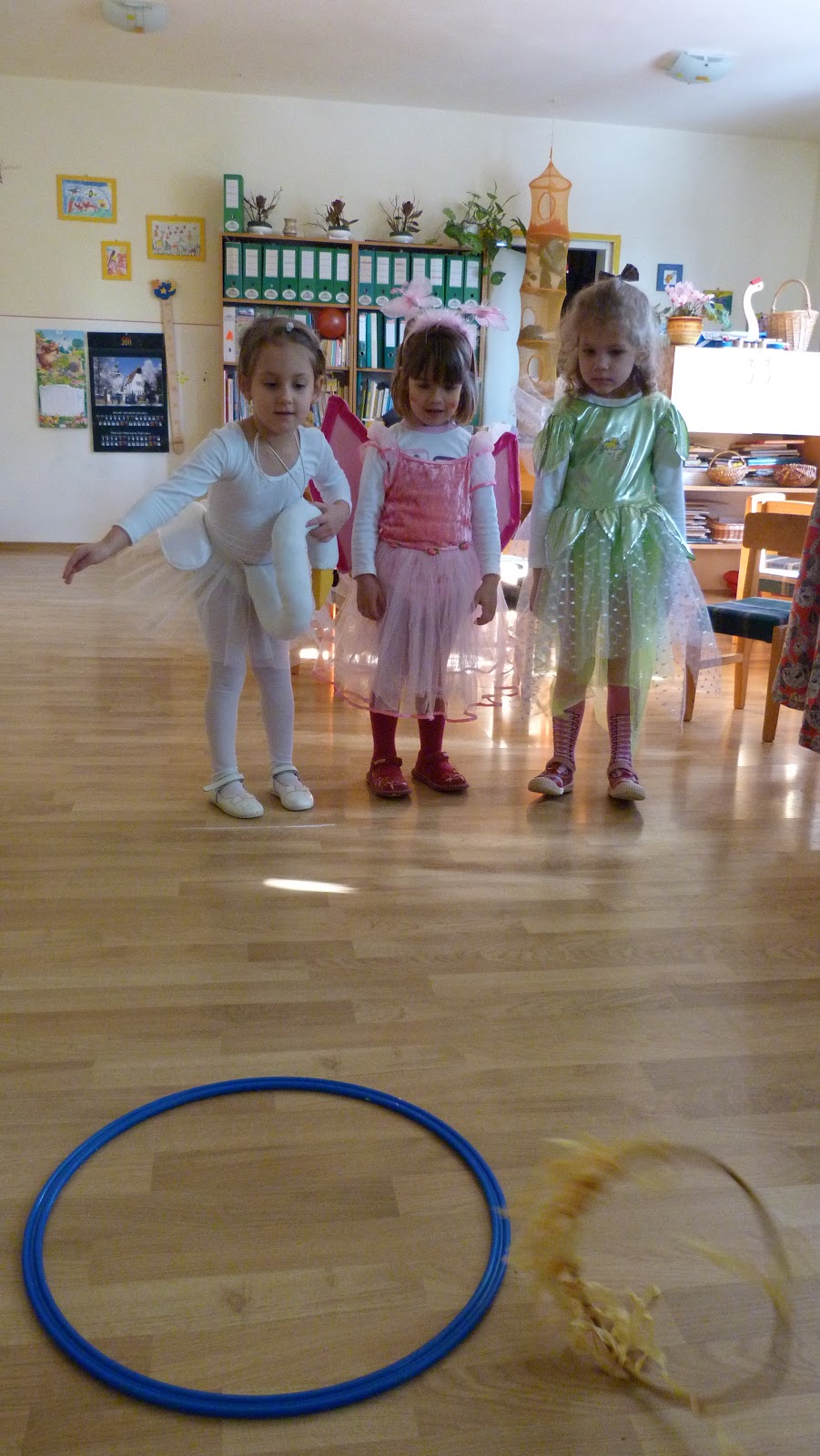
          2011 május 26-án óvodánkban került sor az immár hagyományossá vált ,,Tágasságot nekünk is...,, Népi Gyermekjáték Seregszemlére. A találkozón részt vett az óvoda apraja-nagyja, a kicsik a nézők soraiból bíztatták a fellépésre lázasan készülődő népviseletbe öltözött nagyobbakat. A környékbeli falvak  és a Pinochio Napköziotthon óvodásai is eljöttek és magukkal hozták kedvenc dalaikat, gyermekjátékaikat. Egymást követték a játékfűzések, dobbant a láb, pörgött a szoknya, a ragyogó napsütésben tisztán csengő gyermekhangok bizonyították, hogy jókedvvel és szívesen énekeljük, játsszuk el a számunkra oly kedves népi gyermekjátékokat.


LET US ROPE!

        On 26th May 2011 came the turn of the so called ,,Let us rope!,,-Children's Folk Games Troops-Parade. This event already has a tradition in our kindergarten. On the mentioned event partook from the youngest to the oldest children, evry child in our institute, the youngest children - groups reassured, cheered from the range of the audience- their older mates who dressed in popular costume prepared feverlishly for their attendance on the scene. On he feast also took place children from the sorrounding villages and Pinochio Kindergarten. They also brought their favourite songs and folk games. Strings of folk games followed each other, feet stamped, shirts span, the purely clanking children voices in the blazin sunrise proved how glady and cheerfully we sing and play the children's folk games which are so dear and amiable to us all.


Tuesday, May 31, 2011

Találkozó Boldogon


Három ország partnersége
Nemzetközi találkozó a Csicsergő Óvodában
(Április 29, 30, május 1.)
Fotó: Csomorné Kiss Ágnes

Az elmúlt évben intézményünk kapcsolatba lépett két határon túli óvodával egy közös pályázat készítése céljából. Miután benyújtottuk az Európai Bizottság Egész életen át tartó tanulás programja keretén belül a három intézmény (Hófehérke Óvoda, Sepsiszentgyörgy, Kovászna megye, Románia, Csicsergő Óvoda, Boldog, Heves megye, Magyarország és Hea Óvoda, Sunne, Vamland megye, Svédország) partnerségbe lépett és egy két éves lefolyású projektre nyert el anyagi támogatást.
A Comenius program alapvető célja, hogy európai szinten hozzájáruljon a közoktatás minőségének fejlesztéséhez, hangsúlyozva annak európai dimenzióját és elősegítve a nyelvtanulást. Célcsoportok: az oktatás alsó szintje, az óvodától a középiskoláig, diákok és pedagógusok egyaránt.
A projektünk címe: „Communication by Folklore”. A három óvoda együttműködésének középpontjában a népi hagyományőrzés, annak lehetőségei az óvodában, a népi kultúra értékei által történő személyiségfejlesztés, különböző népek hagyományainak megismerése áll. Nem utolsó sorban szeretnénk megismerni egymás módszereit, ez által bővíteni szakmai tudásunkat és tapasztalatainkat.
Az első találkozó az elmúlt év októberében Erdélyben zajlott, ahol személyesen találkoztunk az óvodák dolgozóival és a romániai gyerekekkel.
A háromnapos magyarországi partnertalálkozó programjai elsősorban a boldogi hagyományok továbbélését mutatták be az óvodai nevelés keretein belül.

Tavaszi hagyományőrző napunk ízelítőt adott óvodánk hagyományőrző tevékenységéről. Óvodánk csoportjai gyermekjátékokat, dalokat, táncokat vonultattak fel az összesereglett szülők és vendégek előtt. Megjelenítették a kiszézést és a gyermeklakodalmas játékot. 

Ehhez társult a lakodalmas menet, a táncház a boldogi rezesbanda zenéjére és a babakiállítás. A hagyományőrzők és szülők segítségével megkóstolhattuk a helyi gasztronómiai különlegességeket, a jellegzetes lakodalmi süteményeket. Körünkben köszönthettük Bódi Józsefné Terka nénit, a legidősebb hagyományőrzőt, aki az ovis lagzira készített nekünk cifrázott kalácsot és a gyerekeken és felnőtteken látható népviseletek jó része is az ő keze munkáját dicséri.
A Svédországból és Romániából érkezett vendégeink községünk tájházában ebédeltek, ahol a hagyományőrző asszonyokkal találkozhattak, majd tájházunk gondnoka Nagy György kismenyasszony-öltöztetést mutatott be a szép és gazdag gyűjtemény mellett. A sepsiszentgyörgyi kolléganők pedig magukra öltötték a pendőt, a kacskaringós szoknyát, a szállikát, a szakácsot, a galárist, stb és örömmel táncoltak, énekeltek és fényképezkedtek a boldogi viseletben.

Április 30-án szombaton megyénk székhelyével, Eger városának történelmi emlékeivel ismerkedtünk, megtekintettük a vármúzeumot, a minaretet, a Kopcsik Marcipániát, a Dobó teret, a bazilikát. Délután a Város a város alatt pincerendszert és a török fürdőt mutattuk be vendégeinknek.
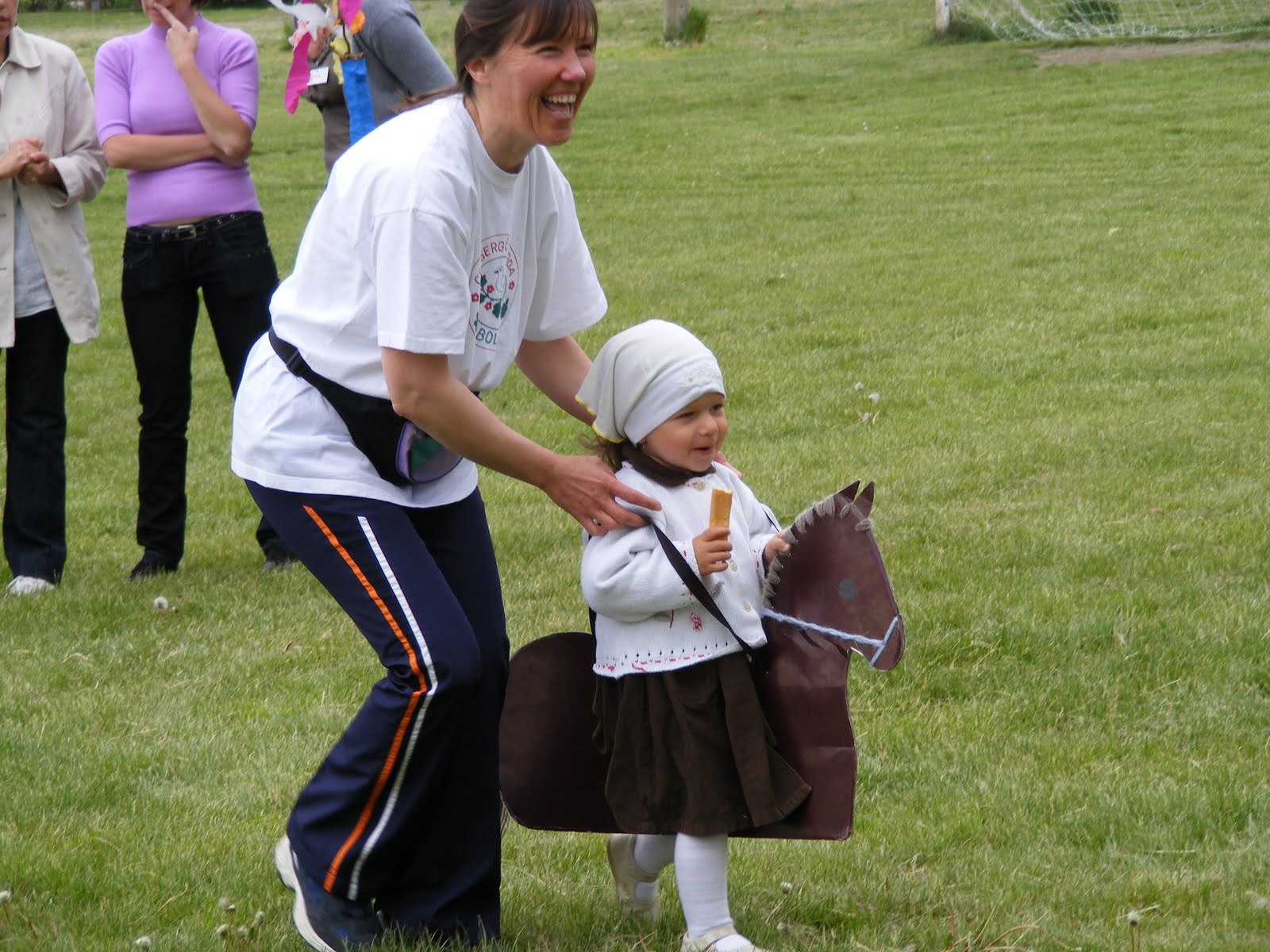
Május 1-én vasárnap az óvodások részére szervezett családi majális gyakorlatát láthatták községünk sport pályáján. Itt a gyerekek a szüleikkel együtt mozgásos népi játékokban vettek részt, amelyet az óvónénik szerveztek. Párhuzamosan a biztonságos közlekedésre hívtuk fel a résztvevők figyelmét, amelyhez jármű kiállítás tűzoltó autóval, rendőrautóval, különleges motorokkal és lovaglási lehetőség társult.

Az időjárás kedvező volt a „Comenius” sárkány eregetéséhez.

10 órától a helyi Kaláris néptánccsoport, a Bonta zenekar és modern táncos ovisok mutatkoznak be a szabadtéri színpadon.
A programban résztvevő óvodások ajándék labdát kaptak.
A találkozón időt fordítottunk kerekasztal beszélgetésre, tapasztalatcserére, nemzetközi játéktanításra és többször tartottunk sajtótájékoztatót.
Megbeszéltük a partnerség további teendőit, a svédországi találkozó pontos idejét és a pályázat előrehaladási jelentésének tartalmát.
Köszönjük mindazoknak a szervezeteknek, szülőknek és magánembereknek, akik sokat segítettek abban, hogy jól sikerüljön ez a magyarországi találkozó, szép és hasznos emlék maradjon a vendégeknek, az óvodásoknak és nekünk vendéglátóknak.
Zsírosné Őszi Katalin
óvodavezető

Three country partnership
International Meet at the Csicsergő Kindergarten
(April 29th, 30th, May 1st)
Photo: Csomorné Kiss Ágnes
In last year our institution contacted with two kindergartens abroad in order to apply together for a Comenius Regio project. After submitting the application for the European Commission's Lifelong Learning Programme, the three institutions – Hófehérke Kindergarten from Sepsiszentgyörgy, Covasna, Romania; Csicsergő Kindergarten, Boldog, Heves, Hungary and Hea Kindergarten, Sunne, Värmland, Sweden – took up a partnership and won financial support for a two-year long projekt.
The fundamental goal of the Comenius Programme is to raise the quality standards of education on European level, emphasising its European dimension and encouraging language learning. Target groups are the lower levels of education from kindergarten to secondary schools, both pupils and pedagogues.
The name of our project is Communication by Folklore. In the focus of the partnership of the three kindergartens is folklore preservation, the opportunities for its usage in the kindergarten teaching process, development by the traditional values of folklore and to get acquainted of different nations' folk traditions. Last, but not the least, we'd like to get to know each other's pedagogical methods, thus enhancing our own professional knowledge and experience.
The first three-nation meeting was held last October in Transylvania, where we met the kindergarten leaders as well as the local children.
The three-day long Hungarian partner meeting's programmes focused on the living folklore of Boldog, showcasing it to the visitors through the kindergarten education.
Our Sprink Folklore Day gave a taste of our kindergarten's heritage preservation activity. The groups of our kindergarten displayed children games, local songs and dances in front of the audience of parents and guests. They introduced 'kisézés' and child bridal games. This programme was followed by a bridal march, dance house for the music of the Boldog brass band and a doll exhibition.
By the help of the folklore group and the parents we could taste the local gastronomical specialities, the nuptial cakes. We were joined by Bódi Józsefné, Terka néni, who is the oldest folklore group member of the village. She provided us with garnished milk-loaf (kalács), and most of the adult folk costumes were also made by her.
Our guests from Sweden and Romania had lunch at the Peasant House Museum of our village. They met here the local tradition-keeping ladies, then the caretaker of the museum, György Nagy showcased a „little brider dressing”, as well as showed the rich and nice folklore collection to the visitors.
Our colleagues from Sepsiszentgyörgy could dress up in Boldog folk costumes, garbing themselves in the special local clothes and accessories, as the curlicued skirt, the szállika, the szakács, the galéris etc. - so they ended up dancing, singing and having photographs taken in the famous Boldog folk costumes.
On Saturday, 30th April we visited Eger, the county capital, where we looked at the historical relics and memorials. We visited the castle museum, the Turkish minaret, the Kopcsik Marcipánia, the Dobó (main) square and the basilica. In the afternoon we introduced the historical cellar system (City under the city) and the Turkish bath to our guests.
On Sunday, 1st May we held a family May Day for the children of the kindergarten on the sports ground of the village.
The children – together with the parents – could participate in folk games involving lots of movement, organised by the kindergarten teachers.
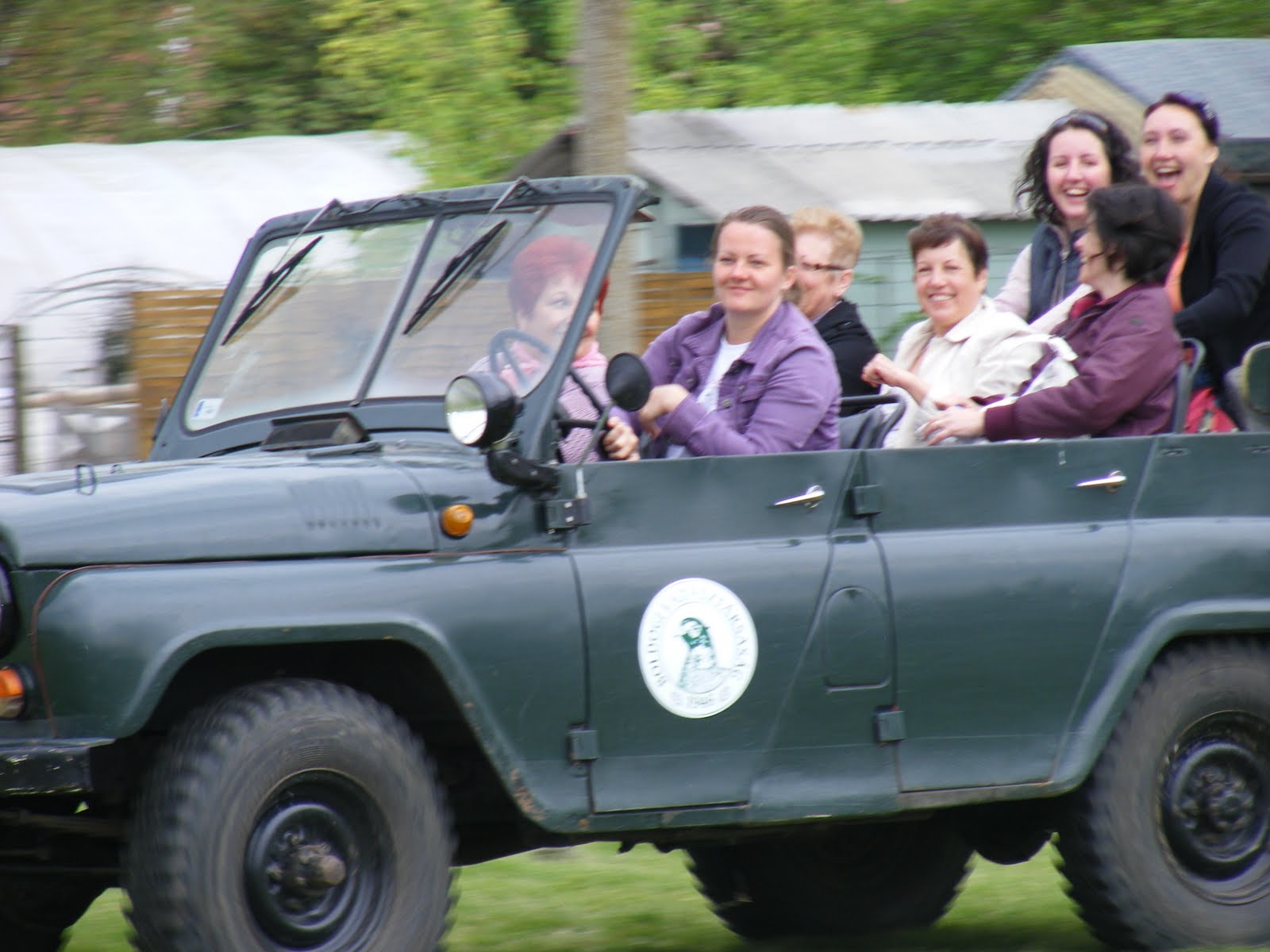
The participants could watch the road safery campaign and the vehicle exhibition with fire engines, police patrol cars, special motorbikes on display – and they could even try out riding on horseback.
As the weather was favourable, we could let fly our Comenius kite, too.
From 10 o'clock the local Kaláris Folk Dance Group, the Bonta band and the modern dance kindergarten group put on a show on the open-air stage. The children participating in the programmes were given balls as presents.
During the meet we held roundtable talks, exchanging our experience, teaching (and learning) local games, as well as holding press conferences.
We discussed the partnership duties, agreed on the exact time of the meet in Sweden and the contents of the project progress report.

We'd like to express our gratitude to all institutions, the parents and the citizens, who contributed a lot to the successful Hungarian meet, which gave nice and beneficial memories to both our guests, the children and us, the hosts of the meeting.
Zsírosné Őszi Katalin

Head of Csicsergő Kindergarten, Boldog

Tuesday, May 10, 2011

GRĂDINIȚA HÓFEHÉRKE ÓVODA PRE PRIMARY SCHOOL

MARCH-MÁRCIUS-MARTIE
APRIL-ÁPRILIS-APRILIE


        Az első tavaszi napsugarak és virágok bennünket is kicsalogattak az udvarra, a huncutkodó márciusi napocskát a Süss fel, Nap...soraival hívogattuk.
       
          The first rays of the sun and the spring flowers draw us out in the garden, the cheeky Sun was calling out with help of the different rhymes and songs. 


       A húsvéti készülődés jegyében megismerkedtünk a tojásírással, az első bátortalan próbálkozások után már egyre inkább sikerült kbz. hagyományos motívumokat rajzolni a tojásokra.

      Around Easter time we became familiar with the Easter Egg decoration techniques, after the first diffident attempts, step by step we gain confidence in drawing traditional patterns on the eggs. 


Felelevenítettük a locsolkodás hagyományát, a fiúkkal locsolóverseket tanultunk, amivel majd húsvéthétfőn köszönthetik a lányokat, a lányok pedig hímes tojást ajándékoznak a fiúknak.

       We revived the tradition of sprinkling, the boys learned sprinkling poems to greet the girls with on Easter Monday, receiving nicely decorated Easter eggs for them.


Thursday, April 21, 2011

Easter in Sunne


The spring and the heat has come to us in Sunne and it means that the swings have arrived.


The children make Easter crafts and colouring Easter letters. The children give their letters to our neighbours and get candy i excahange.


The children dress up as Easter witches and Ester men when they go to our neighbours to deliver their Easter letters.


Monday, April 11, 2011

A levél


Kedves Emese!

Megkezdtük a magyarországi partnertalálkozó előkészületeit, a program is kezd körvonalazódni.

Április 29-én pénteken az óvoda "B" épületét és az ott folyó nevelést mutatjuk be, majd minden partner beszámolhat az eddigi munkájáról, tapasztalatairól, amelyhez egy digitális tábla áll majd rendelkezésre. Ezt követi egy kerekasztal beszélgetés.
Az ebéd községünk tájházában lesz, ahol idős adatközlőkkel lehet találkozni, beszélgetni, énekelni. Tájházunk gyűjteménye igen szép és gazdag, bár eltörpül az Erdélyben látottak mellett. Itt a ruhákat fel lehet venni és fotózkodni benne.
16 órakor óvodánk "A" épületében kezdődik a tavaszi hagyományőrző napunk, amely egy olyan ünnepség, ahol a szülőknek adunk ízelítőt óvodánk hagyományőrző tevékenységéről. Ehhez társul táncház és babakiállítás.

Április 30-án szombaton megyénk székhelyével, Eger városának történelmi emlékeivel ismerkedünk, megtekintjük a vármúzeumot, a minaretet, a Kopcsik Marcipániát, a Dobó teret, a bazilikát. Délután a Város a város alatt és az Érsekkertet mutatjuk be nektek.

Május 1-én vasárnap az óvodások részére szervezett családi majális gyakorlatát mutatjuk be községünk sport pályáján.
Itt a gyerekek a szüleikkel együtt mozgásos népi játékokban vesznek részt, amelyet az óvónénik szerveznek.
Délutánra szabadtéri bográcsolást (közös főzés) tervezünk az óvoda udvarán sok beszélgetéssel, nemzetközi játéktanítással.
Ekkor beszélnénk meg a partnerség további teendőit, a következő mobilitás pontos idejét és a pályázat előrehaladási jelentésének tartalmát.

A szállás jelen elképzelés szerint helyben lesz falusi vendégházaknál.
A napi háromszori étkezés egy része a napközi ebédlőjében, illetve Egerben zajlik majd.
Az árak hasonlóan alakulnak, mint Erdélyben.
A boldogi programok 10-15 perces sétával elérhetőek, ezekre a napokra nem szükséges autóbusz.

Ez az elképzelésünk, de számítunk a ti javaslatotokra is.

Kívánok Nektek jó felkészülést az utazásra.

Üdvözlettel:

Kati


Draga Emese,
Am inceput pregatirile din Ungaria pentru intilnirea parteneriala, programul incepe sa prinda contur.
Vineri, pe data de 29 Aprilie, vom prezenta programul educatiei care se desfasoara in cladirea “B” a gradinitei, iar apoi fiecare partener poate prezenta un raport despre munca sa pana in prezent si experienta pe care o detine, prin intermediul unei table digitale pe care o vor avea la dispozitie.
Urmeaza apoi o sesiune de discutii la masa rotunda.
Masa de pranz se va servi in casa memoriala a comunei, unde va exista oportunitatea ca partenerii sa se intalneasca cu batranii care pastreaza traditiile, cu care vorbeasca si sa cante.
Colectia de haine populare a casei memoriale este bogata si frumoasa, desi paleste in fata a ceea ce se poate vedea in Transilvania. Hainele populare pot fi imbracate si se pot face fotografii in ele.
La ora 16:00 incepe in cladirea “A” a gradinitei noastre, programul traditional de primavara, care reprezinta acea comunitate, in care parintii sunt informati asupra traditiilor gradinitei.La acest program se adauga si dansuri populare, precum si o expozitie de papusi.
Sambata,pe data de 30 Aprilie, in resedinta de judet,in orasul Eger vizitam locuri cu monumente istorice,cetate muzeala,minaretul, “Kopcsik Marcipaniat”,piata Dobo si basilica.
Dupa masa va vom prezenta sistemul de pivnita numita “Varos a varos alatt”(Oras sub Oras) si gradina "Érsekkert".
Dupa masa ne-am gandit la un program liber, am sugera niste bai termale urmate de o degustare de vinuri, spre a va introduce in traditiile vinurilor.
Duminica, pe 1 Mai, copii prescolari au organizat un picnic impreuna cu familiile, unde dorim sa prezentam activitati specifice de 1 Mai, pe terenul de sport.
Parintii impreuna cu copii vor lua parte la jocuri populare, pe care le organizeaza educatoarele.
Pentru dupa-amiaza ne-am gandit sa organizam in curtea gradinitei o activitate de gatit in comun si invatarea de jocuri internationale.
Atunci m-am gandit sa vorbim si despre activitatile care pot avea loc prin acest parteneriat in viitor, sa stabilim data exacta a urmatoarei intalniri.
Cazarea, m-am gandit sa aiba loc in casele de oaspeti din sat.
Cele 3 mese pe zi, vor fi asigurate in sala de mese a gradinitei, dar si in Eger.
Preturile vor fi similare celor din Transilvania.
Distanta dintre locurile in care se desfasoara activitatile este de 10-15 minute pe jos, nefiind necesara deplasarea cu autobuzul.
Acesta este programul dupa cum l-am gandit noi, dar suntem deschisi si la sugestiile voastre.
Va doresc spor la efectuarea pregatirilor de calatorie.
Cu stima

Kati
|


Dear Birgitta!

We started working on the preparation for the Hungarian partner meeting, here I'm outlining the proposed programme.

On 29th April we're going to introduce the work at the "B" building of the kindergarten, then every partner can tell about the work done hitherto and their experience. A smartboard is included for presentations. These are followed by a roundtable conversation.
Lunch will be spent at the folk museum of our village, in which you can meet and chat with elderly locals. The collection of the institute is nice and rich, though cannot be compared with the Transylvanian one. You can also try on the famous local folk costumes.
At 16 o'clock our spring heritage preservation day starts at the "A" building of the kindergarten, accompanied by a small fete, during which we show the parents our heritage preservation work. You can also participate at the folk dances and have a look at the doll exhibition.

On 30th April we'll show you around the capital of Heves county, the city of Eger. We'll visit the castle museum, the Turkish minaret, the Kopcsik Marzipania, the Dobó square (main square) and the basilica. In the afternoon we're going to visit the 'city under the city' and the Archbishop's Gardens .

On 1st May the family May Day for the kindergarten's children takes place at the sports field. The kids will participate in lots of folk games. Following this we'll do some open-fire cooking, with informal chatting and teaching of games. This afternoon we should discuss about the further duties of the partnership, the exact date of the next mobility and the contains of the progress report.

Looks like accommodation will be at local houses. Part of the daily three meals will be at the dining room of the school and Eger. The prices can be compared to those at Transylvania. The programmes within Boldog can be reached by a maximum 10-15 minutes' walk, so a bus is not needed for these.

These are our ideas for the programme, but we're looking forward to yours, too!


Wishing you a good preparation! I'm going to send photos from our carnival.

All the best,
Kati

Sunday, April 10, 2011

Lovas hagyományok


Az 1848/49-es dicsőséges tavaszi honvédő hadjáratra minden évben hadijátékok sorozatával emlékezünk országszerte.
A játékok megnyitó ünnepsége Boldog községben zajlott, ahol óvodásaink is szerepeltek az ünnepi műsorban.
Erről láthattok videó felvételt.

A felnőttek csatabemutatójáról szóló fotókat pedig a következő linken tekinthetitek meg.
http://boldog.hu/Hirek/Hirek.html#TH


Horse-riding Traditions

The memory of the glorious 1849 Spring Offensive of the Hungarian Independence War is commemorated each year by historical wargames throughout the country.

The 2011 opener of these historical wargames was held in and around Boldog on 1st April, and the children of our kindergarten took part in the commemorative programme.
http://www.boldog.hu/Hirek/Hirek.html#OH
You can witness their performance, as well as the wargame at
http://boldog.hu/Hirek/Hirek.html#TH


Traditii cavaleresti

In cinstea aparatorilor ai tarii, o glorioasa primavara a anilor1848/49, se organizeaza la nivel nationale serie de jocuri de r?zboi, in fiecare an.
In gala de deschidere a jocurilor, spre bucuria comunei Boldog, au fost inclusi si copiii de gradinita.
Pute?i vedea înregistrarea video, accesand acest link.
Adultii au incarcat fotografii de la prezentarea bataliilor, pe urmatorul link .
http://www.boldog.hu/Hirek/Hirek.html#OH

Tuesday, April 5, 2011

Így farsangoltunk


A farsangi időszak búcsúztatására hagyományosan jelmezes bált szerveztünk a művelődési házban, amelyre az óvodás gyerekeket elkísérték a családok is. Az óvónénik csoportonként jelmezekkel és műsorral készítették fel a gyerekeket. Zene, tánc, tombola és büfé biztosította, hogy a szülők a gyermekekkel együtt jól szórakozzanak ezen a napon.

How we celebrated Carnival

To say farewell to
the Carnival period we held our traditional fancy-dress ball in the community centre, to which the kindergarten kids were accompanied by their families. The teachers helped their kindergarten groups with the fancy-dresses and taught them a small stage show. There was music, dancing, lottery and a buffet to ensure the relaxation and pleasure for both children and parents.

Asa am petrecut carnavalul:


Pentru a ne desparti de perioada carnavalului, asa cum se cuvine, am organizat un bal in casa de cultura, cu costume traditionale, unde au venit copii prescolari insotiti de familiile lor.
Doamnele educatoare, au pregatit impreuna cu copiii din fiecare grupa, costumele pentru carnaval si diferite programe artistice. Muzica, dansul, tombola dar si bufetul suedez au asigurat distractia copiilor cu parintii in aceasta zi.


Wednesday, March 23, 2011

Grădiniţa Hófehérke Óvoda-Pre Primary School


JANUARY-JANUÁR-IANUARIE
FEBRUARY-FEBRUÁR-FEBRUARIE
Újévi köszöntések - Boldog új évet kívánunk egymásnak!
Urări de Anul Nou
New Year's greetings-We wish Happy New Year to each other

            Az újév első napjaiban a gyerekek, fiatalok házról-házra jártak és újévi jókívánságokkal köszöntötték a ház gazdáját illetve családját. A háziak ajándékkal köszönték meg a jókívánságokat. Óvodánkban az újév első napjaiban a gyerekekkel csoportról-csoportra járva mondjuk el újévköszöntő jókívánságainkat:

On the first days of the new year the children, the youth, went from house to house and greeted the owner of the house and his family: they told remembrances and good wishes for the whole year.The hosts thanked the good wishes with presents. In our kindergarten, on the first days of the year, we pass round every neighbouring group in our nursery- school and say our New Year's greetings. Here's one example:

Adjon Isten minden jót                                                                   Adjon Isten minden jót
Ez új esztendőben:                                                                     Ez új esztendőben,
Jobb időt, mint tavaly volt,                                                         Zsíros esőt, kövér hót
Ez új esztendőben.                                                                     Ez új esztendőben.
Jó tavaszt, őszt, telet, nyárt,                                                       Bő aratást, szüretet,
Jó termést és jó vásárt                                                               Egészséget, jókedvet
Ez új esztendőben                                                                     Ez új esztendőben.

            Az újévi köszöntés hagyománya jellemző a román vidékekre is, a köszöntők csoportja január 1-én reggel házról-házra járva, búza- és rizsszemeket szórva a lakókra mondják el jókívánságaikat.

Sorcova este obiceiul conform căruia în dimineața zilei de 1 ianuarie copiii, dar și cei mari, merg si seamănă, simbolic, cu boabe de grâu și orez, pe care le aruncă în casă și asupra celor din casă. Versurile însoțite de urări specifice diferă de la o zonă la alta

The tradition of  New Year's greetings is also typical for the romanian regions  too, the group of the greeters starts their tour on January the 1st and they say their greetings strewing  germs of wheat and rice on the residentilas.

„Sorcova, vesela/ Să trăiți, să-mbătrâniți/                   „Sorcova,vesela/ Să trăiți să înfloriți
Ca un măr, ca un par, ca un fir de trandafir/                 Ca merii, ca perii, în mijlocul verii
Tare ca piatra, iute ca săgeata/                                    Ca toamna cea bogată de toate-mbelșugată
Tare ca fierul, iute ca oțelul/ La anul și la mulți ani”     La anul și la mulți ani”

            La grupurile cu limba de predare română copiii prezintă cu această ocazie şi suite de dansuri populare cu strigături din folclor:

Lemn uscat de sus din grindă                                         Frunzuliţă foaie lată
Şi băieţii să se prindă!                                                   Să dansăm cu toţi odată!

Foaie verde de susai                                                      Jocul nostru-i srămoşesc
Mai deansează, ce mai stai!                                           Ia uite cum mă-nvârtesc!

            A téli időszak következő, a gyerekek által nagyon kedvelt hagyománya a farsangolás.

One of the most popular tradition of the winter period among children is the carnival.This is the period between the 6th of January and the beginning of the Easter fast - the period of cheerful feast and masquerades.These loud cheerful masquerades are ment to spurn the cold weather and winter away.Essentially it is the send-off of the winter season.In this time of the year there are various traditions, here are some: children dress into fancy dresses,costumes;  sometimes the women dress like man and men dress like women at masquerades out of joke (reversed roles) ; they gird at each other but in this period it is forbidden to be offended; they burn a hand-made marionette filled with straw,according to the tardition it is the burning of the cold season and the release from all missfortunes and illnesses.That's why they crow all the bad things they want to go away while the marionette is being burned, making a really big noise with rustlings. According to the tradition the girls who didn't get married in this period of the year, had to wait till next year to be taken as wives.The traditional food for the ending of the carnival period is the doughnut made nowdays on the base of various recieps.

Óvodánkban a következő hagyományokkal ismerkedtek a gyerekek:
Copiii din grădiniţa noastră au făcut cunoştinţă cu următoarele obiceiuri şi tradiţii:
In our kindergarten the children became acquainted with the following traditions:

Tuskóhúzás: a legények a tuskót nagy zajjal végighúzták az utcán, majd a vénleányok ajtajára kötötték vagy a kapuhoz támasztották, közben énekeltek:

De carnaval un obicei este când băieţii leagă o buturugă şi o trag pe uliţe făcând gălăgie. Rezemau buturuga de gardul fetelor bătrâne sau au legat-o de uşă şi cântau:

Chumping: the boys swinged the block along the street with a big noise, and finally they girded it on the door of the old maids or supported it to their gate, singing in the mean time:


                         Húshagyó, húshagyó, a lányokat itthagyó,
                         Húshagyó, húshagyó, itt maradt az eladó!

                        Elmúlott a hosszú farsang, búsulnak a lányok,
                        Ettől a sok búsulástól ráncos a pofájuk.
                        Nem tudsz férjhez menni, vőlegényt szerezni,
                        Vedd elő az olvasódat, kezd el imádkozni.


             Medvetáncoltatás: a medve engedélykérés nélkül rontott be a fonóba vagy tollfosztóba, lakodalmi mulatságba, esetlen mozdulataival szórakoztatta a nézőket, ijesztgette, ölelgette a lányokat, majd kiugrott az ajtón, a medvetáncoltató pedig adományokat kért a háziaktól. Az óvodás gyerekek kedvelt játéka a medvetácoltatás, a farsangi időszakban naponta megjelenik csoportjainkban is a medve és kísérője, a gyerekek pedig énekszóval, mondókákkal próbálják táncra bírni a morcos medvét.
        
    Un alt obicei este dansul ursului. Ursul intră peste fetele din şezătoare care torc lână sau curăţă pene. Ursul a distrat lumea prin mişcările lui, a speriat, a îmbrăţişat fetele apoi a ieşit pe uşă, iar însoţitorul lui a rămas să adune rămăşag de la cei din şezătoare. Pentru copiii este amuzant acest joc, în perioada carnavalului ursul umblă cu însoţitorul din grupă în grupă, copii îi cântă ca să danseze.

"Bear- dancing": a young man dressed in bear costume got into spinning- mils, wedding sprees , and amused the beholders with his angular movements, daunting them, cuddled the girls, then jumped out of the door and his owner asked for donation for the production of the -so called- bear.Based on the previously presented tradition, this is a popular game of the children in our kindergarten during this period: it appears in our group the bear and the owner and the chlidren are triing to influence the crabby bear to dance through their songs and nursery rhymes.


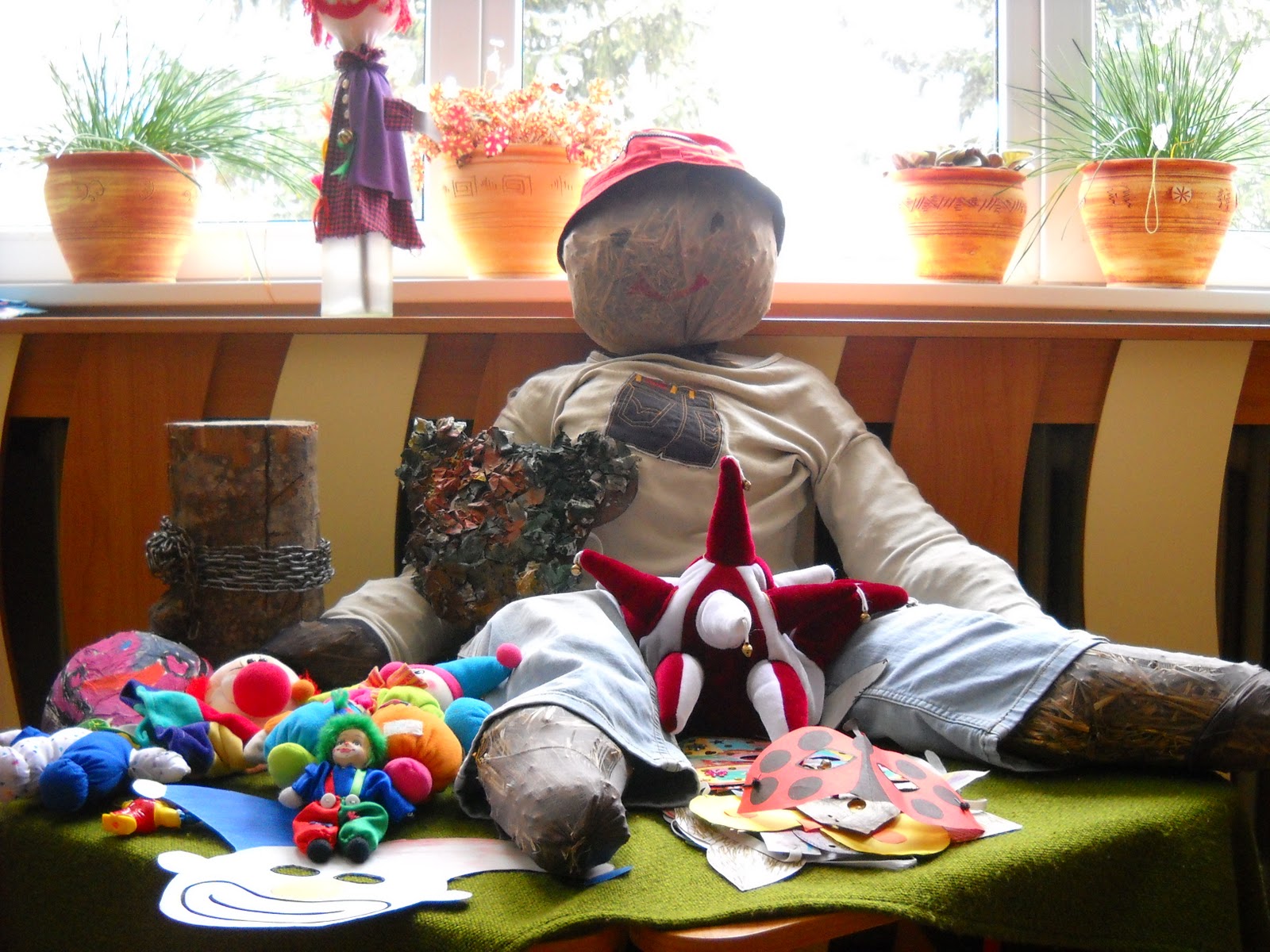
            Kiszebáb-égetés: Húshagyókedden, a farsang utolsó napján, a farsangolók a kiszebábot elégették vagy a patakba dobták, közben télkergető illetve tavaszváró rigmusokat mondogattak. Óvodánkban is húshagyókedden általános szomorúság közepette az udvarra hurcoljuk a szalmabábot, ott levetkőztetjük, elégetjük, közben tavaszváró, télkergető mondókákat ismételgetünk illetve óriási zajt csapunk kbz. hangszerekkel, így búcsúztatjuk a farsangot illetve igyekszünk elkergetni a telet:
        
            În ultima zi din perioade Carnavalului se arde o păpuşă din paie sau se aruncă în pârâu şi se alungă prin strigături iarna şi se cheamă primăvara. La fel se întâmplă şi în grădiniţa noastră. Ieşim cu păpuşa de paie în curtea grădiniţei, o dezbrăcăm, îi dăm foc şi alungăm iarna cu strigături, numărători făcând gălăgie mare cu jucării muzicale şi chemăm primăvara.

Dummy burning: On the last day of the carnival period, the roisterers burned the dummy, or they threw it into the stream, saying in the mean time spring-expecting and winter-chasing chants.In our kindergarten on the last day of the carnival period we carry the straw- filled marionette to the middle of thye yard where we disrobe it and burn it,;while it is burning we repeat winter-chasing and spring- expecting nuesery-rhymes, and we make a really big noise with various instruments.By this way we endeavor to chase winter away and ring out the carnival period.


            Természetesen a gyerekek által legnagyobb kíváncsisággal és izgalommal várt esemény a farsangi mulatság. A csoporttermeket feldíszítjük, a gyerekek maskarába öltöznek,kbz. ügyességi játékokat játszunk, nem hiányzik a farsangi fánk és a zeneszó sem. Az egész napos mulatság végén a szomszédos csoportokat is meglátogatjuk, farsangi jókívánságokkal köszöntjük őket.
           
            Cel mai aşteptat moment este cel al distracţiei de carnaval. Cu aceste ocazii ornăm sălile de grupă cu măşti, copii se machiază şi organizăm diferite jocuri distractive de îndemânare, nu lipseşte nici muzica, nici gogoşile. La sfârşitul distracţiei facem o paradă a măştilor prin grădiniţă.

Naturally the most expected event by children is the masquerade.Children expect it every year with huge curiosity and excitement. We decorate out classroom, the children  dress into costumes, we play several skill games, it isn't missing the doughnut and the good music either.On the end of the whole day amusement we visit the neighbour groups too, and greet them with carnival greetings.


            Bár a román vidékekre a farsangolás hagyománya nem jellemző, óvodánkban a román csoportok is megszervezik évről-évre a farsangi mulatságot.
           
           Deşi la români nu este un obicei Carnavalul, la noi în grădiniţă şi grupele cu limba de predare română organizează Carnaval în fiecare an.

Although the carnival traditions are not specific for the romanian regions, in our kindergarten the romanian groups of children and their kindergarten teachers also organise the masquerade.